
To start a podcast as a side hustle, one must first identify a unique niche that resonates with both personal passions and audience interests. Planning is key; setting a content calendar and establishing episode structures enhances consistency and engagement. Selecting the right equipment guarantees quality sound, while a quiet recording space promotes natural expression. Post-production editing refines the final product, paving the way for effective promotion and audience engagement. Further exploration reveals more essential steps to achieve podcasting success.
Identifying Your Podcast Niche

In today’s highly competitive podcasting market, finding a unique niche is crucial for standing out and attracting a dedicated audience. A podcast niche is essentially a specialized segment of content that caters to a specific group of listeners with shared interests or needs. To identify this niche effectively, podcasters need to conduct comprehensive market research, analyzing current trends, popular themes, and listener feedback across platforms like Apple Podcasts, Spotify, and social media channels.
This research helps uncover content gaps—areas where listener demand is high but quality podcasts are scarce. For example, while true crime podcasts are abundant, a niche focusing on lesser-known historical crime cases or international perspectives might be underserved. Understanding your target audience’s demographics, preferences, and challenges is equally important. Tools such as Google Trends, podcast analytics, and listener surveys can provide valuable insights.
Creators should also reflect on their own passions, skills, and expertise, as authenticity resonates strongly with listeners. When podcasters merge their unique perspectives with audience interests, they create content that feels both genuine and relevant. This approach not only fosters deeper listener engagement but also builds community loyalty over time. A clearly defined niche increases podcast discoverability through targeted keywords and categories, improving visibility on search engines and podcast directories.
Planning Your Content and Format
Once your niche is established, the next critical step is to meticulously plan your podcast content and format, which directly impacts listener retention and growth. A well-structured content calendar is essential; it serves as a strategic tool to schedule upcoming episodes, coordinate guest appearances, and plan marketing efforts. Maintaining a consistent release schedule—whether weekly, biweekly, or monthly—helps build listener expectations and trust.
Content planning should focus on delivering value while aligning with the podcast’s overarching theme. For example, a health and wellness podcast might alternate between expert interviews, actionable tips, and listener Q&A sessions to maintain variety and engagement.
Defining a clear episode structure enhances the listening experience by creating familiarity and flow. Common segments include:
- Introductions: Briefly presenting the episode topic and guests.
- Main Content: Deep dives such as interviews, storytelling, or discussions.
- Interactive Segments: Answering listener questions or sharing feedback.
- Call to Action: Encouraging subscriptions, reviews, or social media interaction.
This structured approach allows podcasters to maintain focus while leaving room for creativity and spontaneity. Moreover, consistent format elements can become signature features that contribute to the show’s identity and brand.
Effective content planning also involves considering the technical aspects, such as episode length (typically between 20-60 minutes depending on audience preferences), recording quality, and editing style. Balancing these factors ensures professional-sounding episodes that keep audiences engaged.
By thoughtfully organizing content and format, podcasters create a reliable framework that supports creative freedom while enhancing listener satisfaction. This combination helps build an active, loyal community that feels connected to the podcast’s message and personality.
Selecting the Right Equipment
For aspiring podcasters diving into audio production, choosing the right equipment is a critical step that directly impacts the overall quality of the podcast. One of the most important decisions is selecting the microphone type, as different microphones suit different recording environments and purposes.
- Dynamic microphones are rugged and less sensitive to background noise, making them perfect for recording in environments that aren’t perfectly quiet or controlled. They work by using a moving coil to convert sound waves into electrical signals, which naturally filters out ambient noise. These mics are often favored for live performances and on-the-go recording setups.
- Condenser microphones, on the other hand, are much more sensitive and capture a wider frequency range with greater detail and clarity. They work by using a charged diaphragm that responds to sound waves, making them ideal for studio environments where capturing vocal nuances and subtleties is essential. This makes them particularly suitable for voiceovers, interviews, and podcasts focused on storytelling or detailed discussions.
In addition to microphones, investing in a high-quality audio interface is essential. The audio interface acts as the bridge between your microphone and your computer, converting analog sound signals into digital data. A good interface reduces latency (the delay between speaking and hearing the sound) and improves recording fidelity, ensuring crystal-clear audio capture without unwanted noise or distortion. Features like preamps in audio interfaces can also amplify microphone signals cleanly, contributing to professional-sounding recordings.
Other useful equipment includes:
- Pop filters to reduce plosive sounds (like “p” and “b”) that cause distortion.
- Headphones for real-time monitoring to catch issues during recording.
- Mic stands and shock mounts** to stabilize microphones and reduce vibrations.
Together, the right combination of microphone, audio interface, and accessories forms the technical foundation that empowers podcasters to produce clear, engaging content with authenticity and confidence.
Recording Your First Podcast Episode
Recording the very first episode is a major milestone in any podcaster’s journey. To ensure a smooth process and create content that captivates listeners, it’s important to focus on both technical setup and preparation.
- Choose a Quiet Recording Environment: Background noise can distract listeners and reduce audio quality. Find a space with minimal ambient noise—away from traffic, appliances, or other people. Soft furnishings like carpets, curtains, and cushions help absorb sound reflections, minimizing echo.
- Plan Your Episode Structure: Outlining key points before recording helps maintain focus and flow. Decide on segments such as introductions, main topics, guest interviews, and closing remarks. This keeps the conversation organized and engaging.
- Test Your Equipment: Before hitting record, run sound checks to ensure all gear works properly. Check microphone levels and headphone monitoring to catch any issues like distortion or low volume early.
- Create a Comfortable Atmosphere: Feeling relaxed translates into natural speech and genuine enthusiasm. Use warm lighting, have water nearby, and eliminate distractions so you can express your ideas freely.
- Embrace Authenticity: Listeners connect best with hosts who speak sincerely and passionately. Don’t worry about making everything perfect—focus on communicating your unique voice and perspective.
By combining thoughtful episode planning with a well-prepared recording space, podcasters set themselves up to produce compelling audio content that resonates with audiences and keeps them coming back for more.
Editing and Enhancing Audio Quality
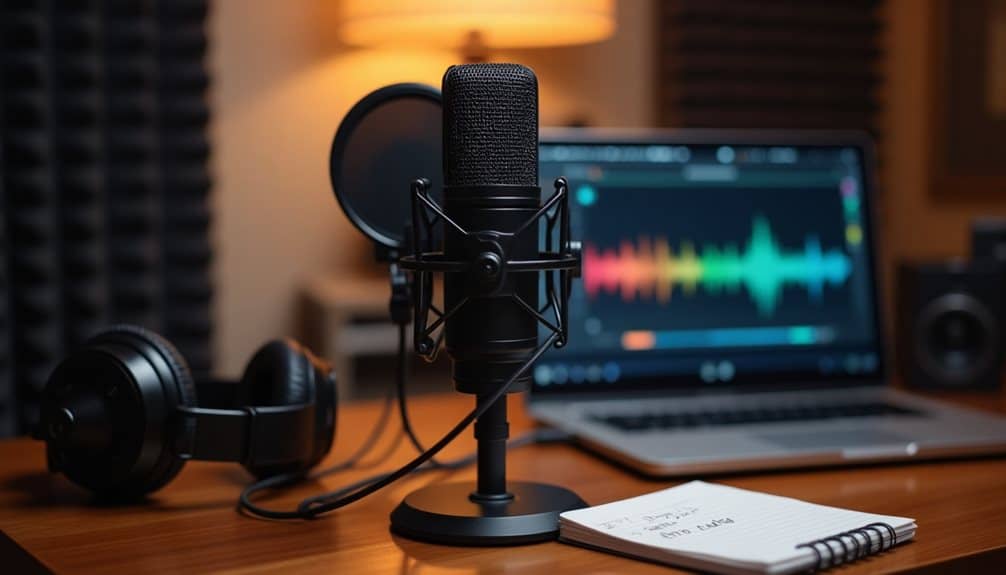
Editing audio is a crucial step in transforming a raw podcast episode into a polished final product. Through careful audio editing, podcasters can eliminate distracting noises, awkward pauses, and unnecessary filler, enhancing the listening experience. Utilizing software tools like Audacity or Adobe Audition, creators can manipulate sound levels, adjust equalization, and apply compression for a balanced mix. Sound enhancement techniques, such as adding music or sound effects, can elevate the podcast’s emotional impact, engaging the audience’s attention. By prioritizing audio quality, podcasters not only guarantee clarity but also create an immersive atmosphere that resonates with listeners. Ultimately, investing time and effort in audio editing and enhancement propels a podcast toward success, granting creators the freedom to share their unique stories with the world.
Choosing a Hosting Platform
Selecting the right podcast hosting platform significantly impacts your podcast’s distribution, accessibility, and audience growth. A hosting service stores your audio files and distributes them to platforms like Apple Podcasts, Spotify, and Google Podcasts.
Key factors to consider when choosing a hosting platform include:
- Hosting Features: Look for platforms with easy-to-use dashboards, detailed analytics (downloads, listener locations, devices), and one-click distribution to major directories.
- Storage Limits: Ensure your plan offers sufficient bandwidth and storage to accommodate your episode frequency and file size. Unlimited storage is ideal for growing podcasts.
- Pricing Options: Compare monthly or annual subscriptions based on features offered versus your budget. Free plans may have limitations on storage or analytics.
- Customer Support: Reliable support through chat, email, or phone is crucial for resolving technical issues quickly.
- Monetization Tools: Some platforms provide options to integrate sponsorships, ads, or listener donations directly.
Popular hosting platforms include Libsyn, known for its reliability and extensive distribution; Anchor, which offers free hosting with built-in monetization; and Buzzsprout, praised for user-friendly interfaces and detailed analytics.
Choosing the right host ensures your podcast reaches listeners smoothly across multiple platforms while providing insights that help tailor content and marketing strategies.
Promoting Your Podcast Effectively
Producing compelling podcast content is just one part of success; effective promotion is vital to expand your listener base. A combination of different strategies can maximize visibility:
- Social Media Marketing: Platforms like Instagram, Twitter, Facebook, and TikTok allow podcasters to share episode snippets, behind-the-scenes content, and engage with fans directly.
- Cross-Promotion: Collaborating with other podcasters exposes your show to new audiences with similar interests.
- Influencer Partnerships: Partnering with influencers enables leveraging their established networks for broader reach.
- Audience Targeting: Use analytics tools to understand demographics and tailor marketing campaigns accordingly.
- Content Marketing: Creating eye-catching visuals, episode teasers, blog posts, or newsletters draws interest beyond audio.
- Email Newsletters: Building an email list helps maintain engagement by sending episode updates, exclusive content, or early access.
- Networking Events & Forums: Participating in podcasting communities or attending industry events helps build relationships and gain exposure.
Combining these approaches creates a robust promotional framework that nurtures audience growth while offering freedom in creative expression.
Engaging With Your Audience and Growing Your Community
Building a strong relationship with your audience is essential for long-term podcast success. Engagement fosters loyalty and transforms listeners into an active community.
Effective strategies include:
- Hosting regular Q&A sessions where listeners submit questions via social media or email that you answer on-air.
- Creating dedicated social media groups or online forums where listeners can interact with each other and discuss episodes.
- Encouraging listener-generated content, such as sharing personal stories or submitting questions, which increases investment in the show.
- Recognizing and celebrating active community members by mentioning them on episodes or offering exclusive perks like early access or merchandise.
A thriving podcast community creates a sense of belonging and shared purpose. It also provides valuable feedback and ideas for future episodes. By fostering this connection, podcasters empower their audience and create an environment where everyone feels heard and appreciated—strengthening the podcast’s impact and reach.