
Flipping furniture online can be profitable by sourcing unique finds from thrift stores and online marketplaces. Essential tools like paint, sanders, and staple guns streamline the restoration process. Techniques such as upcycling, reupholstering, and hardware upgrades enhance appeal. Effective pricing based on market research, along with eye-catching photos, boosts visibility. Utilizing social media and local groups helps reach buyers. By mastering these strategies, one can maximize earnings in the furniture flipping business. Additional insights await.
Finding the Right Pieces to Flip
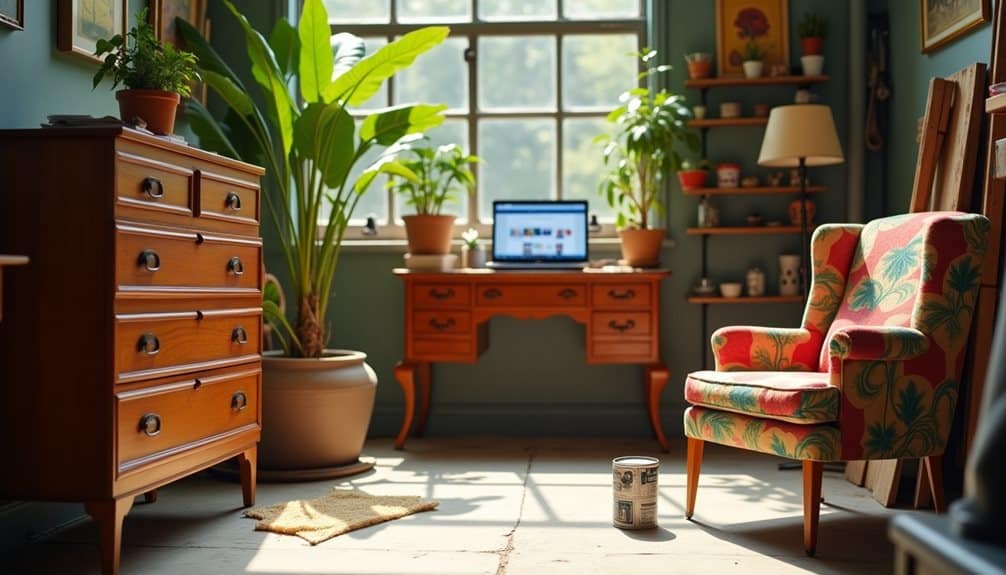
Finding the right pieces to flip is crucial for success in the furniture flipping business. Experienced flippers carefully search through thrift stores, estate sales, garage sales, and flea markets to uncover unique furniture items with strong potential for transformation. These pieces often include vintage dressers, mid-century modern chairs, antique tables, or even overlooked items like old cabinets and benches that can be restored or creatively restyled.
One important strategy is to focus on furniture made from solid wood, as these tend to be more durable and hold value after refurbishment. Pieces with classic designs or timeless styles typically appeal more to buyers, making them easier to sell once flipped. In contrast, overly trendy or damaged items might require more investment and risk.
Online marketplaces such as Facebook Marketplace, Craigslist, and eBay provide a wider selection of furniture pieces, often at competitive prices. These platforms also allow sellers to assess current market demand by observing what types of furniture are selling well and at what price points. Researching trends through home decor blogs, Pinterest, and Instagram can help flippers identify styles that are gaining popularity, such as rustic farmhouse, industrial chic, or bohemian vintage.
When evaluating a piece, consider the purchase price in relation to the potential resale value after restoration. Also, assess the condition thoroughly—look for structural damage, missing hardware, or issues like wood rot or extensive water damage that might require costly repairs. Understanding your own skills and budget is essential; it’s better to choose pieces that you can fix up well without overspending on materials or labor.
In summary, finding the right pieces to flip involves a combination of market research, keen eye for quality and style, and practical evaluation of condition and cost. With diligence and smart purchasing decisions, these hidden gems can become highly profitable items that drive growth in a successful furniture flipping business.
Essential Tools and Supplies for Furniture Flipping
Having a well-equipped workspace is crucial for anyone involved in furniture flipping, as the right tools and supplies significantly enhance both the efficiency and quality of the restoration process.
Essential Tools
- Power Sander: A power sander is indispensable for removing old paint, varnish, or rough surfaces quickly and evenly. It saves hours compared to manual sanding and ensures a smooth finish, which is critical for proper paint or stain adhesion.
- Paintbrushes and Rollers: High-quality paintbrushes and rollers are necessary for applying paint, primer, and varnish smoothly. Different sizes and types (such as foam or bristle brushes) serve different purposes, from detailed trim work to large flat surfaces.
- Staple Gun: A staple gun is essential for upholstery work and securing fabric or other materials to furniture frames. It provides a fast, strong hold that nails or glue alone can’t match.
- Screwdrivers, Hammer, and Pliers: Basic hand tools like screwdrivers (both flathead and Phillips), a hammer, and pliers are fundamental for disassembling and reassembling furniture parts.
- Clamps: Clamps hold pieces of wood or fabric in place while glue dries or while making repairs, ensuring precision and durability.
Important Supplies
- Wood Glue: High-strength wood glue is a must-have for repairing joints or broken parts. It creates a bond stronger than nails or screws alone when used correctly.
- Paint and Primer: Quality paint and primer protect the furniture surface from wear and moisture while allowing creative color transformations. Using a primer helps the paint adhere better and last longer.
- Varnish and Sealants: Varnishes, polyurethanes, or other sealants protect painted or stained surfaces from scratches, water damage, and fading, extending the life of the finished piece.
- Sandpaper: Various grits of sandpaper (from coarse to fine) are necessary for smoothing surfaces at different stages of the refinishing process.
Safety Gear
Working with power tools, chemicals, and dust requires proper safety gear to prevent injuries:
- Gloves protect hands from splinters, chemicals, and sharp edges.
- Goggles or Safety Glasses shield eyes from dust and flying debris.
- Dust Masks or Respirators prevent inhalation of harmful dust particles or fumes from paints and solvents.
Workspace Organization
An organized workspace improves efficiency and reduces stress:
- Designate specific areas for tools, materials, and finished products.
- Use shelves, pegboards, or toolboxes to keep tools accessible but tidy.
- Maintain a clean environment to avoid accidents and ensure optimal working conditions.
Investing in quality tools and supplies combined with proper safety measures and workspace organization allows furniture flippers to work more effectively. This setup not only streamlines the restoration process but also enhances creativity and craftsmanship. Ultimately, these factors contribute to creating appealing, durable furniture pieces that attract buyers, paving the way for a profitable furniture flipping business, especially in the competitive online marketplace.
Techniques for Upcycling and Refinishing Furniture
Techniques for Upcycling and Refinishing Furniture
Transforming old or worn furniture into beautiful, functional pieces involves a combination of creative vision and practical skills. By applying a variety of upcycling and refinishing techniques, you can significantly improve the look, durability, and value of furniture, making it stand out whether for personal use or resale. Here are some detailed methods to consider:
1. Paint Techniques
Using paint is one of the most versatile ways to refresh furniture. Chalk paint is especially popular because it adheres well to most surfaces without heavy prep work like sanding or priming. It creates a matte, vintage look that can be left smooth or distressed.
Distressing involves sanding edges and surfaces after painting to reveal the underlying wood or previous paint layers, giving pieces a rustic, aged appearance.
Color washing is another technique where diluted paint is brushed lightly over the surface, allowing some of the original color or texture to show through. This adds depth and subtle color variation.
2. Staining
Wood staining enhances the natural grain and texture of wooden furniture. Stains penetrate wood fibers to enrich color and protect the surface. They come in various shades—from light oak tones to deep mahogany or ebony—allowing you to completely change the wood’s appearance without covering its natural beauty.
Before staining, proper surface preparation is crucial, including sanding to remove old finishes and open wood pores for better stain absorption. Applying a wood conditioner before staining helps achieve even coloration, especially on softwoods.
3. Reupholstering
For upholstered furniture, reupholstering breathes new life into tired cushions and frames. This process involves removing old fabric, padding, and springs if necessary, then replacing them with fresh materials.
Choosing vibrant or textured fabrics can dramatically change the piece’s style—from modern geometric prints to classic velvet or leather. Additionally, updating the padding improves comfort and extends the furniture’s lifespan.
4. Hardware Upgrades
Small details like knobs, handles, and hinges can impact a piece’s overall look. Replacing outdated hardware with new, stylish options such as brushed brass, matte black, or vintage ceramic pulls instantly modernizes or customizes furniture.
Hardware upgrades are relatively simple but highly effective, offering a quick way to complement other refinishing techniques without extensive work.
5. Decoupage
Decoupage is a creative technique where decorative paper, fabric, or even photos are adhered to furniture surfaces using glue or varnish. This method allows for unique, personalized designs that paint alone can’t achieve. Popular materials include patterned scrapbook paper, vintage maps, or botanical prints.
Once applied, multiple layers of sealant protect the design from wear and moisture while providing a smooth finish.
Applying these techniques thoughtfully can transform old furniture into stunning pieces with enhanced aesthetic appeal and functional value. Whether aiming to preserve a vintage charm or create a modern statement piece, mastering these methods opens up endless possibilities for furniture upcycling projects.
Pricing Your Furniture for Maximum Profit
Pricing Your Furniture for Maximum Profit
Setting the right price for flipped furniture is crucial for maximizing both profitability and sales velocity. Experienced furniture flippers know that thorough market research is the foundation of effective pricing. This involves analyzing similar pieces in the local marketplace, as well as on popular online platforms such as Etsy, eBay, and Facebook Marketplace. By studying these listings, flippers can identify current pricing trends, consumer preferences, and the demand for particular styles or furniture types.
A successful pricing strategy must take into account several important factors:
- Material Costs: Calculate the total expense of all materials used in the restoration or upcycling process, including paint, hardware, fabric, and any specialty tools.
- Labor Time: Assign a reasonable hourly rate to the time spent on refurbishing the piece, from sanding and painting to sewing cushions or reupholstering.
- Furniture Quality and Uniqueness: Pieces that showcase exceptional craftsmanship or feature rare, vintage elements can be priced higher because of their increased perceived value.
- Market Positioning: Pricing should reflect whether the furniture is aimed at budget-conscious buyers or those seeking high-end, custom items. Adjusting prices accordingly allows flippers to target the right audience.
- Competitor Pricing: Being aware of competitors’ prices helps avoid overpricing or underpricing, both of which can negatively impact sales.
Another critical aspect is maintaining price flexibility. Flippers should monitor buyer feedback and sales performance regularly. If items fail to sell within a reasonable timeframe, lowering the price or offering promotions may be necessary to stimulate interest. Conversely, if demand is high, prices can sometimes be adjusted upward.
By mastering these pricing elements, furniture flippers enhance their chances of making a healthy profit while attracting buyers efficiently. Ultimately, this strategic approach not only improves cash flow but also supports long-term success and financial independence in the furniture flipping business.
Taking Eye-Catching Photos for Online Furniture Listings
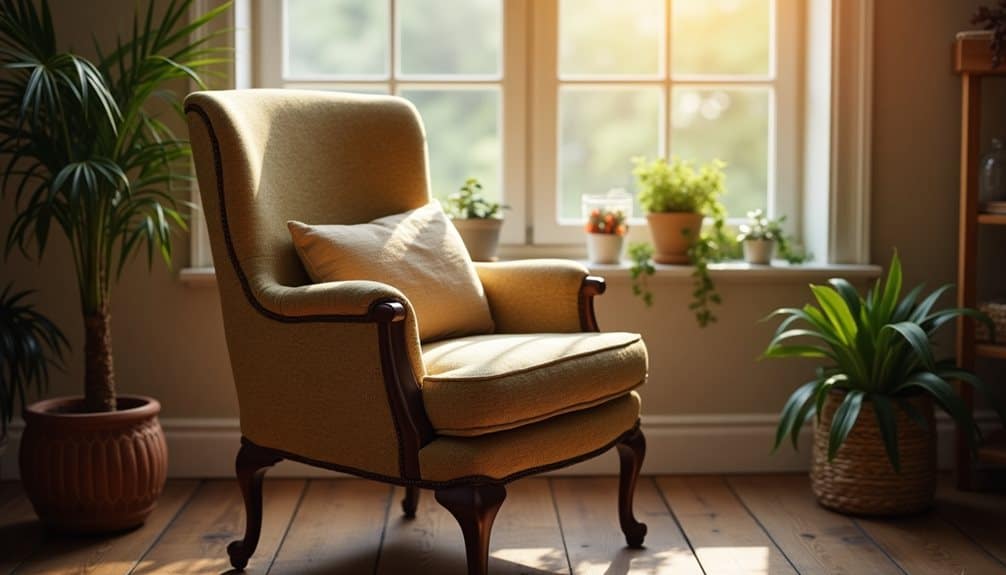
A simple photograph can significantly influence the success or failure of selling furniture online. For sellers and flippers, high-quality images are not just a nice-to-have—they are essential to attract potential buyers and close sales quickly. The way a piece of furniture is presented visually can communicate its condition, style, and value far better than words alone. Below are detailed strategies to ensure your photos make a strong, positive impact.
1. Utilize Natural Light for Vibrant Colors
Natural lighting is one of the most effective tools in photography, especially for furniture. It produces true-to-life colors and soft shadows, which help highlight the texture and finish of wood, fabric, or metal surfaces. Aim to shoot during the day near a large window or outdoors in shaded sunlight. Avoid harsh direct sunlight that causes glaring reflections or deep shadows, as these can obscure important details.
2. Use a Neutral Background to Avoid Distractions
A neutral background (such as plain white, gray, or beige walls) keeps the focus entirely on the furniture and prevents the eye from wandering to cluttered or colorful surroundings. This simplicity makes the item stand out clearly and looks professional. If shooting indoors, remove any personal items or decorations that may detract from the furniture’s appeal.
3. Showcase the Furniture from Multiple Angles
Providing a variety of perspectives helps buyers get a full understanding of the item’s shape, size, and craftsmanship. Include shots from the front, sides, back, and close-ups of unique features like hardware, stitching details, or wood grain patterns. For larger pieces, a photo showing the scale in relation to a common object or room setting can be very helpful.
4. Stage the Item in a Home-Like Setting
Staging furniture in an environment that mimics real home use creates an emotional connection with buyers. Use complementary décor such as rugs, plants, or cushions that match the furniture’s style without overpowering it. This approach helps buyers visualize how the piece might fit into their own homes and inspires ideas for its use.
5. Make Sure the Photo is High-Resolution for Clarity
High-resolution images ensure that every detail is crisp and clear when zoomed in. This builds buyer confidence by allowing close inspection of condition aspects like fabric weave, paint finish, or signs of wear. Avoid blurry or pixelated photos that can raise doubts about the seller’s professionalism and the item’s quality.
By applying these techniques—natural lighting, neutral backgrounds, multiple angles, thoughtful staging, and high-resolution clarity—you maximize your chances of catching buyers’ eyes and increasing sales success on online platforms. Great photos tell a compelling story about your furniture before a single word is read.
Marketing Your Flipped Furniture Effectively
Marketing Your Flipped Furniture Effectively
While the quality and craftsmanship of flipped furniture are fundamental to its appeal, utilizing strategic marketing techniques can significantly increase its chances of selling quickly and at a desirable price. One of the most effective ways to reach a broad and engaged audience is through social media platforms such as Instagram, Facebook, Pinterest, and TikTok. These platforms allow sellers to showcase their work with visually appealing content like high-resolution before-and-after photos, time-lapse videos of the restoration process, and engaging stories about each piece’s history or transformation. This storytelling element helps create an emotional connection, making potential buyers more interested and motivated to purchase.
To maximize reach on social media, using targeted hashtags (#FlippedFurniture, #FurnitureMakeover, #UpcycledFurniture) and participating in relevant groups or communities can help attract followers who already have an interest in unique or handmade furniture. Posting consistently and interacting with followers by responding to comments or direct messages builds trust and encourages word-of-mouth promotion.
In addition to social media, listing flipped furniture on online marketplaces like Facebook Marketplace, Craigslist, Etsy, and eBay provides access to audiences actively searching for affordable or one-of-a-kind furniture pieces. Each platform has its own advantages: Etsy is ideal for handmade or vintage items and attracts buyers willing to pay for quality craftsmanship, while Facebook Marketplace offers a local buyer base, reducing shipping hassles and costs.
When creating listings on these platforms, it’s crucial to write clear, detailed descriptions that highlight the piece’s features, dimensions, materials used, and any unique history or restoration techniques. Incorporating strategic keywords related to style (e.g., mid-century modern, rustic, shabby chic), condition (e.g., fully restored, lightly distressed), and usage (e.g., coffee table, sideboard) improves search visibility and helps potential buyers find the item more easily.
Beyond online methods, promoting flipped furniture through local community groups, flea markets, artisan fairs, or consignment shops can generate interest from buyers who prefer seeing items in person before purchasing. Collaborating with local interior designers or home staging professionals can also open new sales channels.
By combining these marketing approaches — visual storytelling on social media, optimized online listings, and community engagement — sellers can build a strong presence that generates buzz around their flipped furniture. This not only drives faster sales but also helps establish a reputable brand in the upcycled furniture market, paving the way for sustainable income and financial independence in this creative venture.
Building a Brand and Growing Your Furniture Flipping Business
Effective marketing is essential for launching a successful furniture flipping venture, but what truly differentiates a seller in a crowded market is the strength of their brand. Building a compelling brand identity not only attracts customers but also fosters trust and loyalty, which are crucial for long-term growth and sustainability.
To create a recognizable brand in the furniture flipping business, focus on these key strategies:
Consistent Visual Identity
A strong visual identity is the foundation of brand recognition. This includes a well-designed logo, a carefully chosen color palette, and consistent use of typography across all marketing materials. Visual consistency helps your audience quickly identify your work whether they see it on social media, your website, or in person. For example, choosing earthy tones for rustic furniture or bold colors for modern designs can reinforce the style you represent.
Unique Selling Proposition (USP)
Your USP defines what makes your furniture pieces stand out from competitors. It could be the use of sustainable materials, handcrafted techniques, or a signature artistic style. Clearly communicating your USP helps customers understand why they should choose your pieces over others. Research shows that brands with clearly defined USPs are more likely to build loyal customer bases and command higher prices.
Engaging Content
Storytelling is a powerful tool in branding. Sharing the stories behind each piece—such as its history, the restoration process, or creative inspiration—creates an emotional connection with customers. This kind of engaging content can be shared through blog posts, videos, or social media updates. People are more inclined to purchase furniture that feels unique and meaningful rather than generic mass-produced items.
Social Media Presence
Active engagement on social media platforms like Instagram, Facebook, and Pinterest is vital for showcasing your work and building relationships with your audience. Posting high-quality photos, behind-the-scenes videos, and customer testimonials not only increases visibility but also demonstrates transparency and authenticity. Using social media tools to interact with followers creates a community around your brand, turning casual viewers into repeat buyers.
Customer Feedback
Encouraging and responding to customer reviews helps improve your products and service while building trust with potential buyers. Positive reviews serve as social proof that your brand delivers quality and satisfaction. Actively seeking feedback also signals that you value your customers’ opinions, which enhances loyalty and encourages word-of-mouth referrals.
By combining these elements—consistent visual branding, a clear unique selling proposition, compelling storytelling, active social media engagement, and attentive customer feedback—you lay a strong foundation for growing your furniture flipping business into a trusted and thriving brand.