
Building a home-based event planning business involves identifying a niche, such as weddings or corporate events, to attract targeted clients. A thorough business plan is essential, detailing finances, marketing strategies, and logistics. Setting up an efficient home office fosters productivity, while essential tools like event management software streamline operations. Effective marketing and networking enhance visibility and trust. By focusing on these critical aspects, one can create a successful venture that captivates and connects with the audience. More insights await.
Identifying Your Niche in Event Planning

Identifying a niche in event planning is a strategic decision that can define your business’s trajectory and reputation. Beyond choosing common categories like weddings or corporate events, consider sub-niches that bring specialization and less competition. For example:
- Eco-friendly weddings: Target couples seeking sustainable, zero-waste ceremonies.
- Tech conferences: Focus on high-tech industry events requiring advanced AV setups and live streaming.
- Cultural celebrations: Specialize in events tied to specific traditions or ethnic groups, which require deep cultural understanding and sensitivity.
- Virtual/hybrid events: In increasing demand post-pandemic, this niche blends in-person and online experiences, requiring new skills in digital engagement and technology integration.
By narrowing your focus, you can develop tailored services, pricing packages, and marketing messages that resonate strongly with your target audience. This also allows you to build a portfolio of highly relevant case studies and testimonials, enhancing credibility.
Example: A planner specializing in children’s birthday parties might offer customizable themes, child-friendly activities, and partnerships with entertainers, differentiating from general event planners who may not focus on age-specific needs.
Creating a Comprehensive Business Plan
A business plan is not just a formality but a dynamic roadmap that guides your event planning venture through growth stages and market challenges. For home-based planners, the plan should be granular and actionable.
Target Audience Analysis
Beyond demographics (age, income, location), analyze psychographics such as lifestyle, values, and pain points. For instance, busy professionals might prioritize time-saving services, while couples planning destination weddings may need help coordinating travel logistics.
Financial Projections
Include scenario planning: best case, worst case, and realistic projections. Factor in seasonal demand fluctuations common in event planning (e.g., higher wedding bookings in spring/summer). Break down fixed costs (software subscriptions, insurance) versus variable costs (vendor fees, materials).
Marketing Strategies
Incorporate multi-channel approaches:
- Digital presence: SEO-optimized website showcasing portfolio.
- Social media: Instagram for visual storytelling, LinkedIn for corporate clients.
- Networking: Local vendors, venues, and community groups for referrals.
- Content marketing: Blogs or videos offering event tips to position yourself as an expert.
Operational Plans
Detail vendor selection criteria (quality, reliability, cost), contingency plans for no-shows or weather disruptions, and client communication protocols to ensure transparency and trust.
Example: A planner might decide to offer tiered service packages (consultation-only, partial planning, full service) to appeal to different budget levels.
Setting Up Your Home Office
The home office environment significantly impacts productivity and creativity. Consider advanced organizational techniques:
- Zone planning: Create dedicated zones within your office for different tasks—client meetings (virtual or in-person), creative brainstorming/writing, administrative work—to mentally shift gears.
- Lighting: Use adjustable lighting to reduce eye strain; natural light improves mood and focus.
- Technology setup: Dual monitors can enhance multitasking; noise-canceling headphones help maintain concentration.
- Inspiration board: Keep a physical or digital mood board with event themes, color palettes, and vendor ideas to spark creativity.
Maintaining boundaries between work and home life is crucial to avoid burnout. Establish clear working hours, use a separate business phone number/email, and communicate availability to household members.
Essential Tools and Software for Event Planners
Event planning technology has evolved beyond simple calendars into integrated platforms that handle multiple complex tasks simultaneously.
Event Management Platforms
Examples include Cvent, Eventbrite, or Bizzabo. These tools offer:
- Guest registration and ticketing
- Automated reminders and updates
- Real-time analytics on attendance and engagement
- Vendor management features
Budgeting Tools
Beyond spreadsheets, apps like QuickBooks or specialized budgeting software allow:
- Expense tracking with receipts upload
- Payment scheduling
- Profit/loss forecasting
- Integration with accounting platforms for tax purposes
Collaboration and Communication
Tools such as Slack or Trello enable seamless team communication and task management. For planners working with multiple vendors and clients remotely, these platforms centralize conversations and deadlines.
Advanced Uses of Technology
- Virtual reality (VR): Some planners use VR to create immersive event walkthroughs for clients before execution.
- AI-powered chatbots: Automate client inquiries and booking processes.
- Data analytics: Analyze past event data to predict trends and improve future planning efficiency.
Example: A corporate event planner might use an integrated platform to coordinate venue booking, speaker schedules, attendee registration, and post-event surveys—all from one dashboard—saving hours of manual work.
Building Your Brand and Online Presence
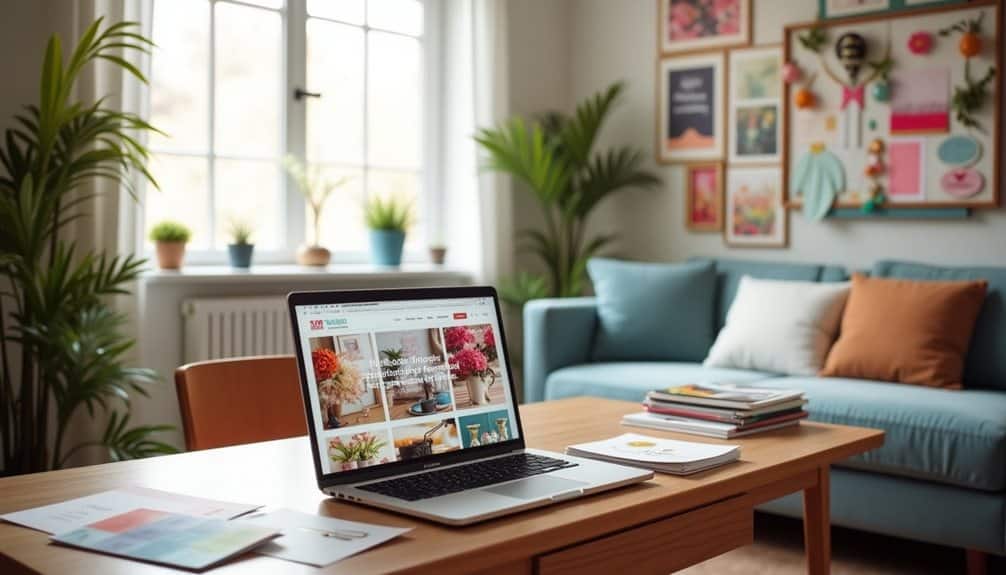
Building Your Brand and Online Presence
For a home-based event planner aiming to distinguish themselves in a competitive market, establishing a memorable brand and cultivating a strong online presence are critical components for success. This process hinges on three essential elements:
- Brand Consistency
Maintaining a cohesive visual identity across all platforms is crucial. This includes using consistent logos, color schemes, typography, and tone of voice in every form of communication—whether it’s your website, social media profiles, business cards, or email newsletters. Consistency helps build brand recognition, making your business easily identifiable and trustworthy to your target audience. Research shows that consistent branding can increase revenue by up to 23%, as clients feel more confident in businesses that appear professional and unified. - Compelling Content
Creating engaging and informative content is key to showcasing your expertise and the unique style you bring to event planning. This could include blog posts, behind-the-scenes videos, client testimonials, and photo galleries of past events. Sharing useful tips, such as event planning checklists or trend forecasts, reinforces your authority and helps potential clients envision the value you offer. Content marketing not only attracts visitors but also improves your website’s search engine ranking, making it easier for clients to find you online. - Online Engagement
Active interaction with potential clients on platforms like Instagram, Facebook, LinkedIn, and specialized event planning forums fosters a sense of community and trust. Responding to comments, hosting Q&A sessions, and participating in conversations show that you’re approachable and invested in your clients’ needs. Engaging consistently increases your visibility through algorithm boosts on social media and builds relationships that often convert into bookings.
Networking and Establishing Industry Connections
Building a robust network is vital for any home-based event planner looking to grow their business and reputation:
- Industry Conferences and Local Associations: Attending events such as trade shows, expos, and workshops allows you to meet vendors, venue managers, and fellow planners. Joining local or national event planning associations provides access to exclusive resources, training, and referral opportunities.
- Peer and Mentor Relationships: Engaging with experienced professionals can open doors to collaborations, mentorships, and client referrals. These connections often lead to partnerships that enhance service offerings.
- Social Media Networking: Platforms like LinkedIn and Instagram are powerful tools for connecting with industry peers and potential clients alike. Sharing your achievements and tagging collaborators can expand your reach exponentially.
- Community Involvement: Participating in local community events or charity functions increases your visibility and credibility as a trusted event planner invested in the local area.
By dedicating time to these activities, home-based planners create a supportive ecosystem that nurtures business growth and professional development.
Marketing Your Services Effectively
Once a strong network is in place, home-based event planners can implement targeted marketing strategies that maximize visibility and attract clients:
- Social Media Strategies: Develop a content calendar featuring high-quality photos and videos of past events, client reviews, and interactive polls or stories. Use hashtags relevant to your local market and niche (e.g., #WeddingPlannerCityName) to increase discoverability.
- Promotional Partnerships: Collaborate with complementary businesses such as florists, caterers, photographers, and venues for cross-promotions. Joint giveaways or bundled service discounts can tap into each partner’s customer base.
- Targeted Advertising: Utilize platforms like Facebook Ads, Instagram Ads, or Google Ads to create campaigns focused on demographics such as age, location, interests (e.g., weddings, corporate events), and behaviors. This precision ensures your marketing budget is spent reaching those most likely to hire an event planner.
These methods boost credibility through social proof and expand your client base by reaching new audiences efficiently.
Managing Finances and Legal Considerations
Effective financial management and legal compliance are foundational for the long-term success of a home-based event planning business:
- Budgeting: Develop detailed budgets that cover all anticipated expenses such as venue rental, catering, decor, staffing, transportation, and marketing costs. Include a contingency fund (typically 10-20%) for unexpected expenses.
- Income Tracking: Use accounting software or spreadsheets to track all income streams and expenses regularly. This helps identify profitable services and manage cash flow.
- Legal Requirements: Understand local laws related to business licensing, permits for public events or gatherings, contracts with clients and vendors, and necessary insurance policies (e.g., liability insurance). Having clear contracts protects you from disputes by outlining payment terms, cancellation policies, and responsibilities.
- Tax Compliance: Maintain accurate records for tax reporting purposes and consider consulting a tax professional familiar with small business regulations in your area.
Prioritizing these financial and legal aspects reduces risks and creates a stable foundation from which the business can thrive.
This comprehensive approach—focusing on brand development, networking, strategic marketing, and sound financial/legal management—equips home-based event planners with the tools needed to stand out and succeed in a competitive industry.